
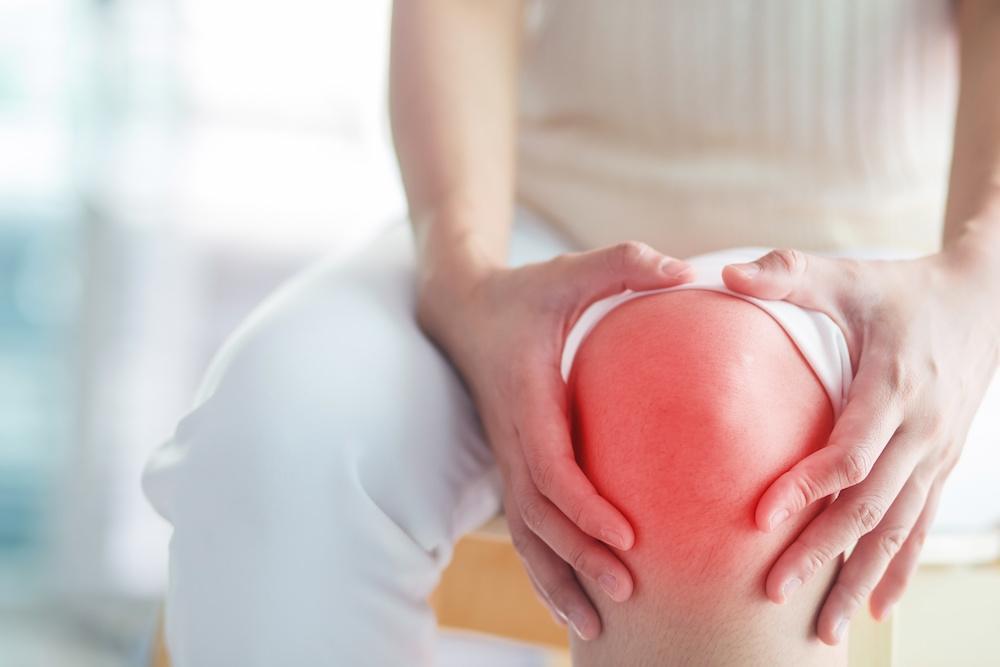
Treating Knee Pain Without Surgery
You have lots of options before going under the knife. Here, we dive into a few nonsurgical treatments for knee pain.

Complex regional pain syndrome (CRPS) is somewhat mysterious. We don’t really know why some people develop it after a traumatic incident, and others don’t.
Fortunately, that doesn’t mean we’re flying completely blind. Medical experts have uncovered a variety of treatments that can help.
At Hawai’i Pain & Spine, Dr. Jonathan Carlson can help you explore your options for addressing CRPS. And the sooner you seek treatment, the better your outcomes are likely to be. Don’t wait to visit us on the Windward side of O’ahu in Kailua, Hawai’i.
At our office, Dr. Carlson evaluates your symptoms and their progression to help him build a personalized treatment regimen for you. That might include:
Taking medication to address pain and/or inflammation can offset discomfort. That makes it possible to engage in other treatments that could help, such as physical therapy.
Anti-inflammatory medications such as oral corticosteroids can particularly help with early-stage CRPS.
Physical therapy is key to living comfortably with CRPS. When the affected part of your body hurts, you naturally avoid moving it. But that can cause stiffness and muscle loss while worsening the improper nervous system response behind your pain. In short, keep moving.
Dr. Carlson can help you get on a physical therapy plan that works for you. That could mean gentle movement at first to ease you into reclaiming function in that part of your body. It could involve mirror therapy, which means moving the healthy limb on the other side of your body.
If you live with Type II CRPS, your condition comes with nerve damage. Dr. Carlson may recommend an antidepressant such as amitriptyline to minimize the discomfort from that problem nerve.
Sometimes, we use blood pressure medications to help with CRPS symptoms. These can interfere with unwanted nerve activity or vasomotor symptoms such as changes in blood flow to the affected limb.
With a spinal cord stimulator, a tiny device interrupts pain signals coming from the affected part of your body before they can reach your brain.
If Dr. Carlson thinks spinal cord stimulation might be right for you, he starts with a trial. That way, you can try this treatment before you need to get a stimulator implanted.
This treatment works similarly to spinal cord stimulation, but it’s more localized. As a result, it can help parts of your body farther from your spinal cord, such as your foot or ankle.
Also called an intrathecal drug pump, this treatment sends pain-relieving medication directly into your spinal fluid.
With so many options, you might think you can wait until your symptoms become unmanageable. Don’t. The sooner you start CRPS treatment, the more effective it’s likely to be.
If you think you might have CRPS, call our office to schedule an appointment. Dr. Carlson and our team are standing by, ready to help you explore treatment options to move toward relief.


